
6 Skills Every Child Must Develop Before Starting Preschool
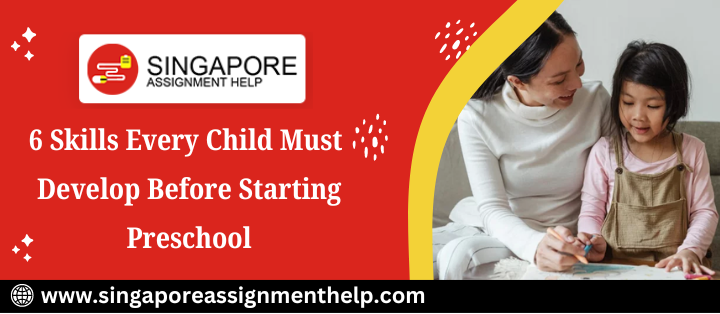
For most children in Singapore, preschool is the start of their long journey through the education system. That’s why their first day of formal school can be an emotional experience for both child and parent. After all, until that day, most children barely ever separate from their parents. For this reason, the first day of preschool can foster moments of mixed feelings, among them excitement, anticipation, anxiety, and even terror.
As a parent, it matters to prepare your child before they enter their preschool’s doors. The level of preparation your child has will determine whether they’ll smile or get tears in their eyes as you hand them off to their teachers. To kick off a productive and engaging preschool experience, parents need to assess if their child is indeed ready to start their formal learning journey. Fortunately, top preschool Bukit Timah, Ang Mo Kio, and other planning areas in Singapore can help families in this regard.
With years of professional early childhood education experience under their belts, teachers can talk with parents about their child’s challenges, and they can recommend learning strategies to overcome these situations. Schools also tend to prescribe age ranges for preschool and higher educational levels, so parents can use these as points of reference.
That said, however, each child is different, and not all develop at the same rate. The most important thing is that, no matter what age they are as they begin their preschool experience, the child is ready to learn, cooperate with their teacher and classmates, and participate in the preschool class.
Is your child truly ready to start preschool? To help you come to a conclusion, here’s a checklist of skills they should develop before they start the first phase of their formal schooling:
Your Child Is Potty-Trained
While not all preschool institutions require pupils to be potty-trained, you should still consider potty training your child well before the school year starts. Early potty training will give children an extra advantage when starting preschool in terms of their self-esteem. Wearing their big boy or girl underwear without a diaper will feel like a big accomplishment to them—and truly, it is.
Aside from improving self-esteem, early potty training before starting school will proffer a lot of benefits to children. For one, they can confidently socialise with other children without worrying about having “accidents” while playing. In class, children won’t have to deal with the anxiety of knowing they are the only ones still wearing a diaper. For another, even if the school’s facilities are still new to them, they won’t have as hard a time relieving themselves or knowing when to ask an adult for help.
Your Child Knows Some Basic Self-Care
At preschool, you won’t be around to cater to your child’s immediate needs. At the same time, teachers with multiple students in a class may also have some difficulty focusing solely on your child when they need assistance, such as during recess or when they need to go to the toilet.
That’s why it’s good to develop your child’s independence and confidence and to teach them some basic self-care before they start going to school. Teach them basic tasks like washing their hands, cleaning up their toys, eating with utensils, and the like. Learning these self-care habits before preschool facilitates a smooth class experience with minimal disruptions. If your child can do all of these things by themselves or with minimal guidance, take it as an indicator that they’re ready for preschool.
Your Child Can Follow Simple Directions
Aside from potty training and self-care skills, parents should also start training their children to follow simple instructions. At three years old, kids should be able to understand and follow simple commands such as “fall in line,” “raise your hand before talking,” “wait your turn,” and the like.
Having attentive and responsive preschoolers may not be the reality that teachers face daily, but if enough preschoolers are prepped by their parents for preschool, the classroom will be easier to manage. More importantly, children will be able to observe basic discipline and cooperation at an early age, which will allow them to concentrate on their learning instead of getting distracted.
Your Child Can Socialise with Other Kids
While one of the goals of sending your child to preschool is for the opportunity to socialise with other children, they’ll have a better experience if they know how to interact with other children already. Moreover, it will be easier and faster for them to make friends with their classmates.
Basic social skills also facilitate a better classroom environment, making it conducive to learning as well as socialising. Thus, if your child already knows some basic skills for getting along with their peers, you can consider them ripe for more positive interactions in school.
Your Child Can Communicate Effectively
By the age of three, your child should be able to string two- to three-word sentences with a vocabulary of around 200 words. With basic skills like those, they’ll be able to effectively communicate with their classmates and teachers.
Your child’s communication skills will make it easier for them to follow instructions and alert their teachers if they require assistance. What’s more, they can engage with their peers and teachers more freely, expressing their thoughts and feelings with words. Once your child has a good grasp of speech and communication, you can be confident about enrolling them in a preschool within your locality.
Your Child Can Focus on a Task
Preschool is a time for fun activities and educational games. But to be able to participate, preschoolers have to pay attention long enough to focus on the task at hand. For some preschoolers, this may be easy, but for others, it’s a challenge. According to recent studies on attention span, three-year-olds can focus their attention for six to nine minutes at a time. During this time, they should be able to finish short tasks such as completing a worksheet or a craft activity.
If you think your child may be lacking in this area, there are certain strategies you can do to expand their attention span and maintain focus. Work with them on improving their concentration before you send them off to school.
Preschool is where children will learn a lot of the skills and values they’ll carry with them throughout their student and adult life. But for them to develop an even more solid foundation in preschool, your child still needs to be taught the basics at home.
With both parents and teachers doing their part to give a child the best learning experience, the child is sure to flourish in their school life. Give them a good head start by prepping them for school and sending off when you know they’re properly ready.
Which SUTD Pillar Is Best for My Career Goals?
Read article →All You Need to Know About Singapore Institute of Commerce!
Read article →
The Public Service Commission (PSC) Scholarship in Singapore 2025
Read article →
Private Universities in Singapore
Read article →
What is OSSC
Read article →
Popular Healthcare Jobs Young Medical Students Strive For
Read article →
6 Careers That You Can Pursue with an Economics Degree
Read article →
Teaching Techniques for Dyslexic Children: Effective Approaches at Home and in the Classroom
Read article →Deadline Close? Let an Expert Handle It.
Submit your assignment details and get a free quote within 10 minutes — 100% human-written, plagiarism-free, and delivered before your deadline.
Submit My Assignment Now →