
SUSS GBA Help for Group-Based Assignments
Searching for SUSS GBA help usually means one thing: a group-based assignment is due, four people work full-time, and nobody agrees who writes what. Our Singapore experts give you guidance on splitting the work, building one consistent report, and rehearsing the presentation. You get structured feedback, model answers and editing support for your own group's submission, so the final piece reads as one team's effort rather than five different voices.
Rubric read with your whole group
Sections and word budgets agreed early
Integration notes before you submit
Storyline, timing and speaker split


SUSS GBA Help for Working Adult Learners
A Group-Based Assignment, or GBA, is a graded team component in many SUSS courses. It sits alongside the Tutor-Marked Assignment and the examination, and it carries real weight. On the SUSS course pages we checked, Financial Accounting (ACC201) lists its GBA at 15% and Consumer Behaviour (MKT351) at 20%.
The difficulty is rarely the content alone. Your group members are part-time students with day jobs, family commitments and very different working hours. Our SUSS group-based assignment help targets that problem: planning, coordination and quality control, not just writing. If you need the wider picture first, our SUSS assignment help page covers the university as a whole.
What Students Doing a SUSS GBA Usually Ask Us
These are the patterns we see most often in the enquiries we receive, anonymised and grouped.
- Community and society courses: a group for an NCO101-type course wants help turning a community engagement idea into a clear, evidence-backed write-up.
- Content marketing: a team on MKT373 asks how to frame a content strategy, audience, workflow and governance so that the report holds together.
- Statistics: groups on BUS105 and similar courses ask how to choose a test, run it and explain the result in plain business language.
- Financial accounting: ACC201 teams ask how to split statement preparation and analysis without ending up with mismatched figures.
- Group dynamics: PSY263 students ask how to apply theory on cohesion and conflict to their own group's behaviour.
- Repeat requests: some students come back term after term because the same coordination problem keeps appearing, so we now suggest a reusable planning routine.

How Our Experts Support Your Group
We work with the group, or with one member on the group's behalf, and the submission stays yours. Support usually takes these forms:
Brief Breakdown
Reading the assessment brief and rubric with you so every member understands what the marker rewards.
Structure and Outline
A report skeleton with word budgets for each section, which makes splitting the work fairer.
Model Answers, Editing and Feedback
Worked examples showing how a strong analysis is laid out, plus comments on drafts your team has written, covering logic, evidence, referencing and tone.
One-to-One Tutoring
Short sessions on the concept your group is stuck on, such as hypothesis testing or the accounting equation.
Group Roles and Splitting the Work Fairly
Most group trouble starts in week one, when everyone says "I'll take whatever". A simple role map prevents that. We help you agree it early, in writing, in your group chat. Roles can rotate across terms, and students who return to us for a later course often reuse the same plan and simply adjust it to the new brief.
Coordinator
Owns the timeline, books meetings and chases drafts so the internal deadline holds.
Section Owners
Each person drafts one part against the word budget agreed from the rubric.
Integrator and Reviewer
One member merges the sections and checks that terms, figures and arguments agree; another reads the whole thing cold, as the marker would, and lists gaps.
Presenter Lead
Shapes the slides or video script from the finished report and plans who speaks when.

Share your GBA brief, rubric and course code, and a SUSS-aware expert will help your team agree roles, a report outline and a review routine before the drafting starts.
Keeping One Consistent Voice Across Every Section
Markers notice when page three sounds like a different person from page seven. It happens when each member writes alone and nobody edits for the whole. Our editors help your team agree a short style sheet: tense, spelling (British English is normal in Singapore), how to refer to the case organisation, and one referencing style used throughout.
Then comes the integration pass. We look at repeated points, contradictory numbers, uneven depth and abrupt transitions, and give you notes to fix them. For polishing the finished draft, our proofreading services add a final language check, and our report writing help covers the structure of longer team reports.

How It Works: From Brief to Final Draft
You will receive the outline, annotated feedback and any reference material in a form that is easy to share with your teammates. Please use it as learning support and follow SUSS's academic integrity rules in everything you submit.
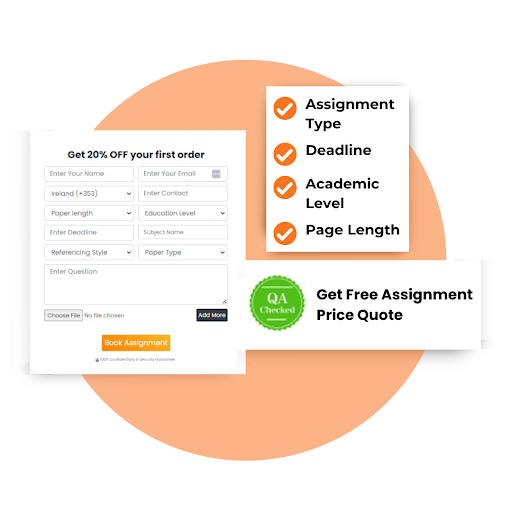
Share the Brief
Send the GBA instructions, rubric, course code and your group's deadline.
Get Matched and Guided
We pair you with an expert who knows the subject, and you receive an outline, a role plan, model answers or feedback on your drafts.
Revisions
You ask follow-up questions and we refine the guidance, then your group writes and submits its own work.
What Students Say
About Our Group Assignment
Support
Working adults at SUSS often juggle a GBA with a job and a family. These reviews come from students who used our guidance for team reports, presentations and other coursework.

Meticulous Attention to Detail
SingaporeAssignmentHelp.com demonstrated meticulous attention to detail in crafting my assignment. Their professionalism and dedication ensured that all requirements were met impeccably. A big thank you to the team!
Tailored Support for Freelancing Assignments
I’m truly impressed by the personalized approach taken by you for my freelancing assignment. Your commitment to understanding individual needs and delivering tailored solutions sets them apart.
Consistently High-Quality Work
My experience with SingaporeAssignmentHelp.com has been consistently positive in terms of the quality of work delivered. Their reliability and punctuality make them my go-to service for academic assistance.
Expert Assistance for Human Resource Assignments
I was initially apprehensive about my human resource assignment, but this company provided expert assistance that surpassed my expectations. The depth of knowledge and adherence to requirements were commendable.
Reliable Academic Support
I trust this platform for its reliable and timely academic support. Their team’s professionalism and commitment to excellence make them a standout choice for anyone seeking assistance.
Unrivaled Assistance with MBA Assignments
The MBA assignment help I received from SingaporeAssignmentHelp.com was exceptional. Their professionalism and timely delivery made the entire process seamless. Highly recommended for MBA students!
Subject Experts Who Know How SUSS Group Work Is Marked








Group Report, Presentation and Video Components
Depending on the course, a GBA may be a written report, a slide deck, a recorded presentation, or a mix. The brief in your course guide decides, so read it first.
Written Report
We help with the argument, the use of the case or data, and the link between each section and the rubric.
Presentation or Video
We help condense the report into a clear storyline, balance speaking time between members, and rehearse the timing. Everyone should be able to answer a question on any slide, not only their own.
Subject Support
Where the task is quantitative or technical, our statistics assignment help and accounting assignment help pages explain how that support works, and marketing assignment help does the same for strategy and content tasks.

Keeping a Clear Record of Who Did What
Some courses add a peer evaluation or contribution element to the group mark, so check your own course guide on Canvas. A shared task log with dates, a short note after each meeting and clear version history make it easy to show the work each member did, calmly and factually.
Meeting Deadlines When Everyone Works Full-Time
Set an internal deadline several days before the official one, hold a short fixed weekly call, and keep all drafts in one shared folder. Evening classes and shift work make joint deadlines hard, so plan the slack in from day one.
Late Submission Rules
SUSS publishes a marks deduction scheme that, according to its own wording, applies to TMAs, group-based assignments or papers, and case studies. Read the current version on the SUSS website so your group knows the rule before it becomes a problem.
FAQs on SUSS GBA Help
Quick answers to the questions SUSS groups ask us most before they share a brief.